Project coordination: Dr. Franziska Genzel, IBG-4 Bioinformatics, Forschungszentrum Jülich
Partners:
Dr. Thomas Classen, Prof. Dr. Jörg Pietruszka, Institut of Bioorganic Chemistry, HHU Düsseldorf
Dr. Sylvia Schleker, Prof. Dr. Florian Grundler, INRES - Molecular Phytomedicine, University of Bonn
Dr. Franziska Genzel, Dr. Anika Wiese-Klinkenberg, Prof. Dr. Björn Usadel, IBG-4 Bioinformatics, Forschungszentrum Jülich
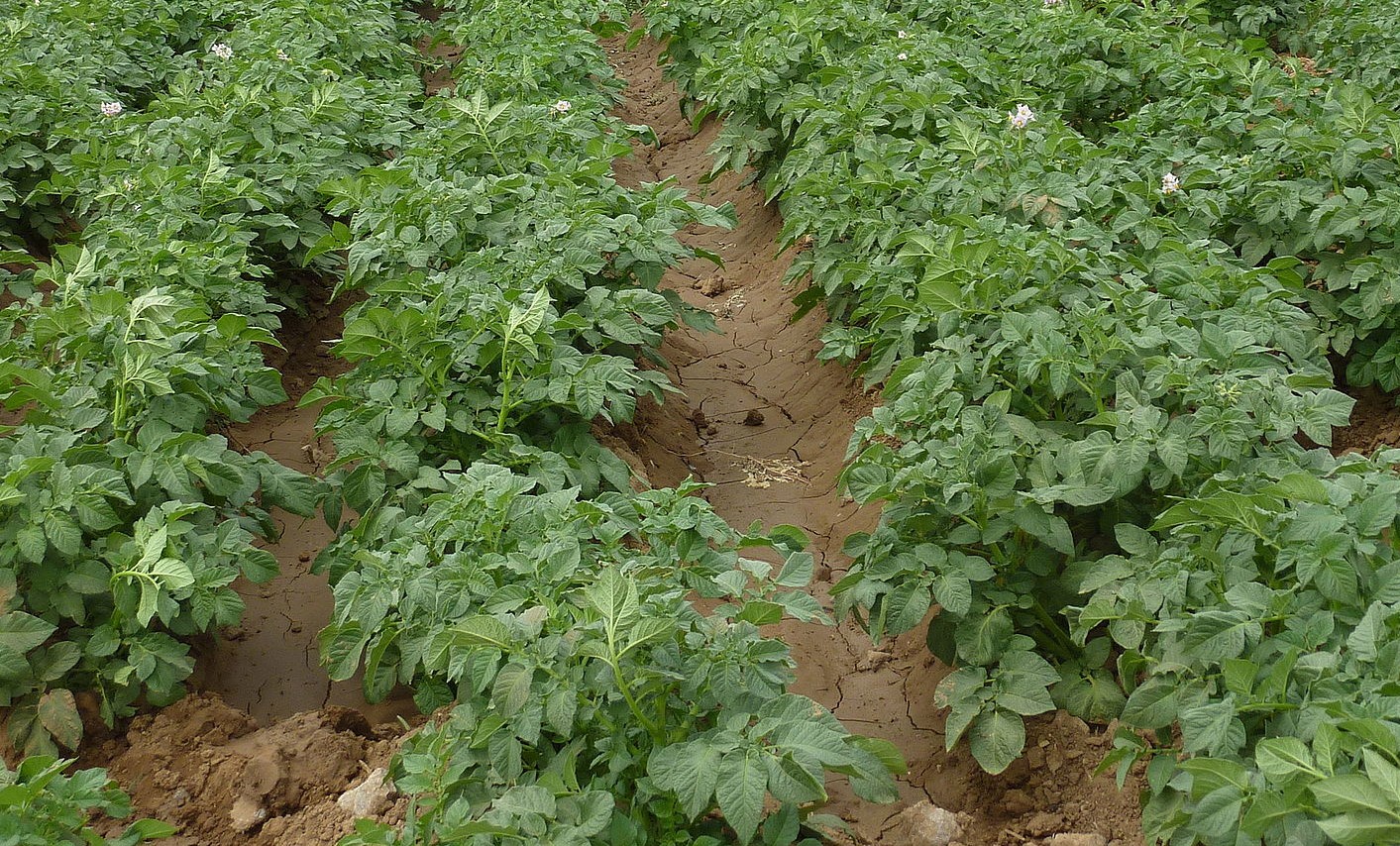
The above-ground parts of potato plants remain unused in commercial cultivation. Potato berries and flowers in particular contain so-called steroid alkaloids, which have anti-carcinogenic and anti-inflammatory effects, as well as a large number of other alkaloids that are valuable feedstocks for synthesis of pharmaceuticals and also represent interesting candidates for biobased crop protection agents. Depending on the dose, however, they can have toxic effects on animals and humans, for example.
In the ToxPot project, the constituents from the above-ground parts of the potato plant will be analyzed and new compounds will be identified. Developmental and variety-specific differences will be investigated. Chemical and enzymatic methods are being developed to convert the alkaloids into derivatives with lower toxicity and unchanged or new bioactive properties. The derivatives will be tested for their effects on pests and non-target organisms in sugar beet cultivation.
Funding period: 24 months
Project coordination: Robin Weihmann, Institute of Molecular Enzyme Technology, HHU Düsseldorf, and Prof. Dr. Jörg Pietruszka, Institute of Bioorganic Chemistry, HHU Düsseldorf
Partners:
Robin Weihmann, Dr. Anita Loeschcke, Prof. Dr. Karl-Erich Jaeger, Institute of Molecular Enzyme Technology, HHU Düsseldorf
Prof. Dr. Marco Oldiges, Prof. Dr. Wolfgang Wiechert, IBG-1 Biotechnology, Forschungszentrum Jülich
Prof. Dr. Jörg Pietruszka, Institute of Bioorganic Chemistry, HHU Düsseldorf
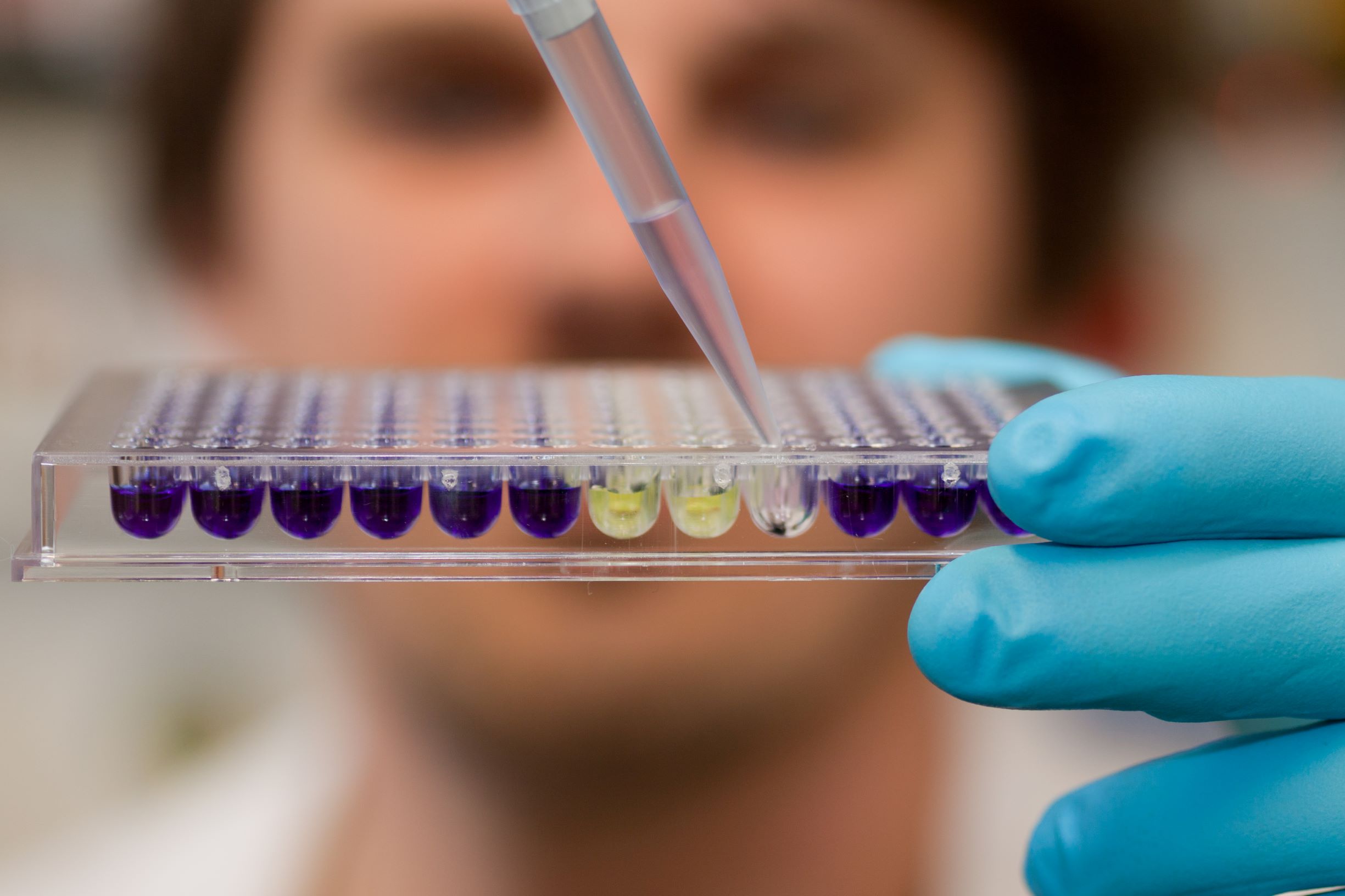
Natural secondary metabolites provide an ample source of bioactive compounds for numerous applications, e. g. in the agricultural and pharmaceutical sectors. Tailored modification of their chemical structures is a powerful means to obtain compounds with enhanced or more selective bioactivity. The mutasynthesis concept utilizes a microorganism harboring a part of a recombinant biosynthetic pathway facilitating the conversion of externally added precursor analogs to new and more potent compounds. This was very successful in the BioSC FocusLab CombiCom for tripyrrole derivatisation using Pseudomonas putida.
In the Viola project, this approach will be broadened to establish a (bio)synthetic platform for indole alkaloids, here specifically using the example of (deoxy)violacein. A P. putida chassis for the conversion of violacein precursor analogs will be constructed, the analogs will be obtained by chemical synthesis, and suitable protocols for their effective conversion by P. putida to violacein derivatives will be established.
Funding period: 12 months
Project coordination: Prof. Dr. Nick Wierckx, IBG-1 Biotechnology, Forschungszentrum Jülich
Partner:
Prof. Dr. Ulrich Schwaneberg, ABBt - Biotechnology, RWTH Aachen
Prof. Dr. Andreas Jupke, AVT - Fluid Process Engineering, RWTH Aachen
Prof. Dr. Nick Wierckx, IBG-1 Biotechnology, Forschungszentrum Jülich
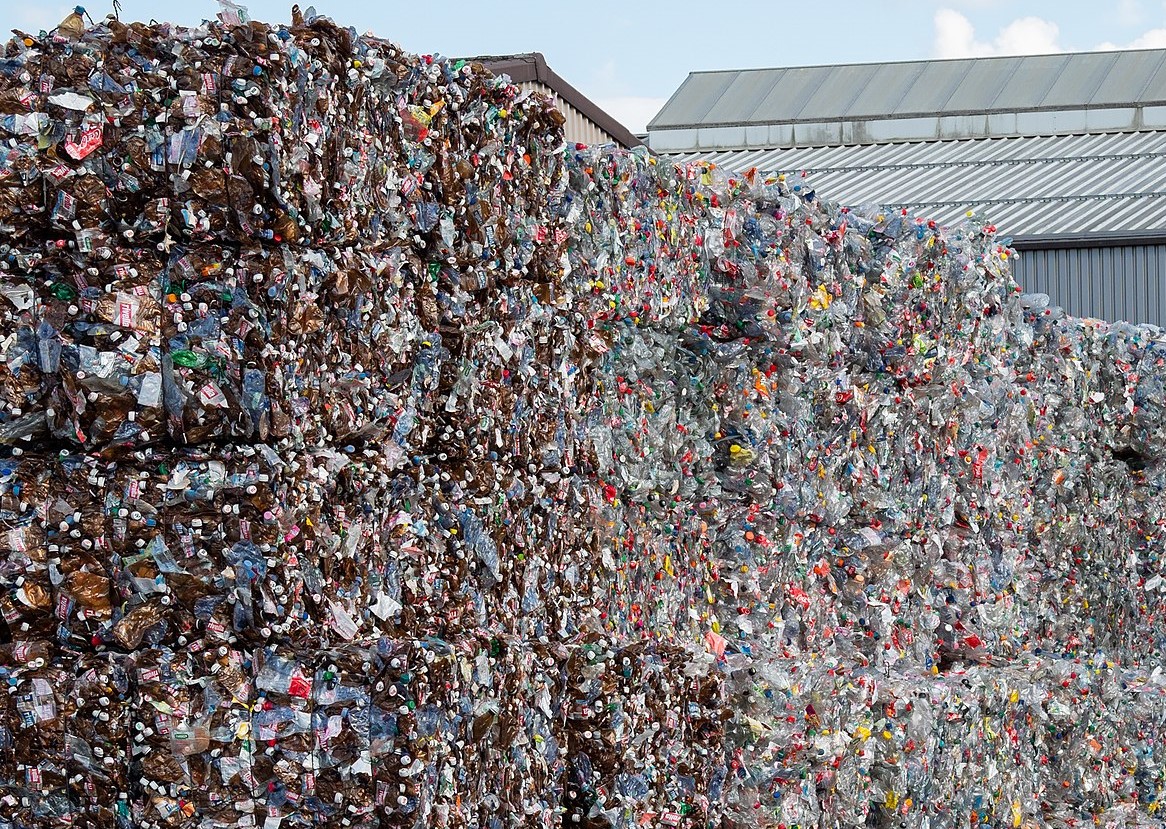
Bio-upcycling of plastic waste is a rapidly developing scientific field with prominent applications in the circular bioeconomy. Especially the development of PETases that hydrolyse polyethylene terephthalate (PET) has rapidly progressed, to the point where these enzymes are now being commercially developed for recycling purposes. However, research is strongly focused on the in vitro application of these enzymes at elevated temperatures and there is a knowledge gap with tremendous untapped potential regarding the underlying microbiology. SSWEEP aims to address this gap with innovative multidisciplinary approaches, aiming at increasing the enzymatic and microbial degradation of PET, and the recycling of PET/PE laminate foils. If successful, the SSWEEP approach offers a plethora of exciting chances for innovation in a circular PET economy that can help to solve the global challenge of plastics pollution, while also providing economic opportunities for hybrid-resource biorefineries by in-cycling cheap carbon feedstock from the excellent German PET collection logistics.
Funding period: 24 months