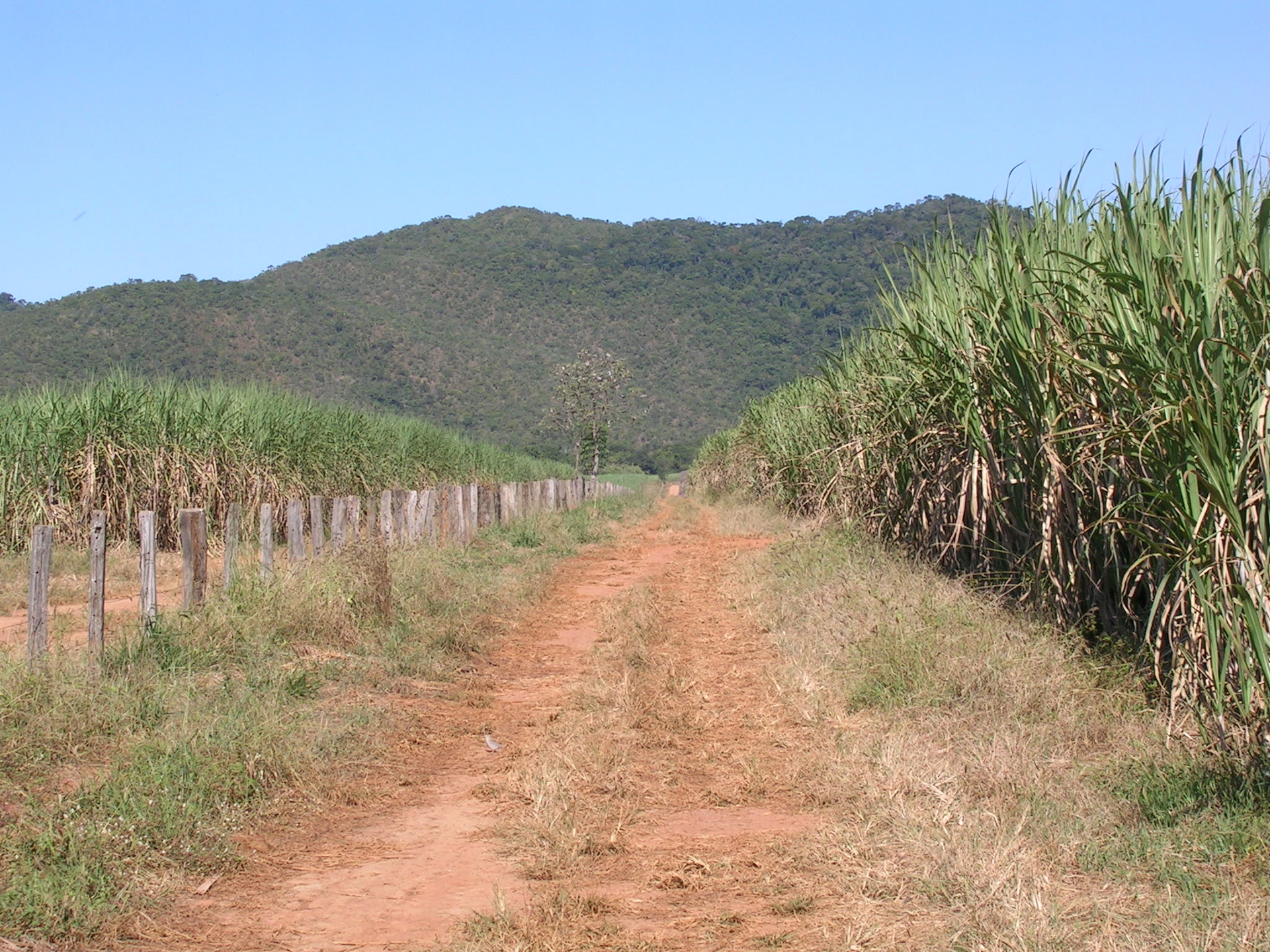
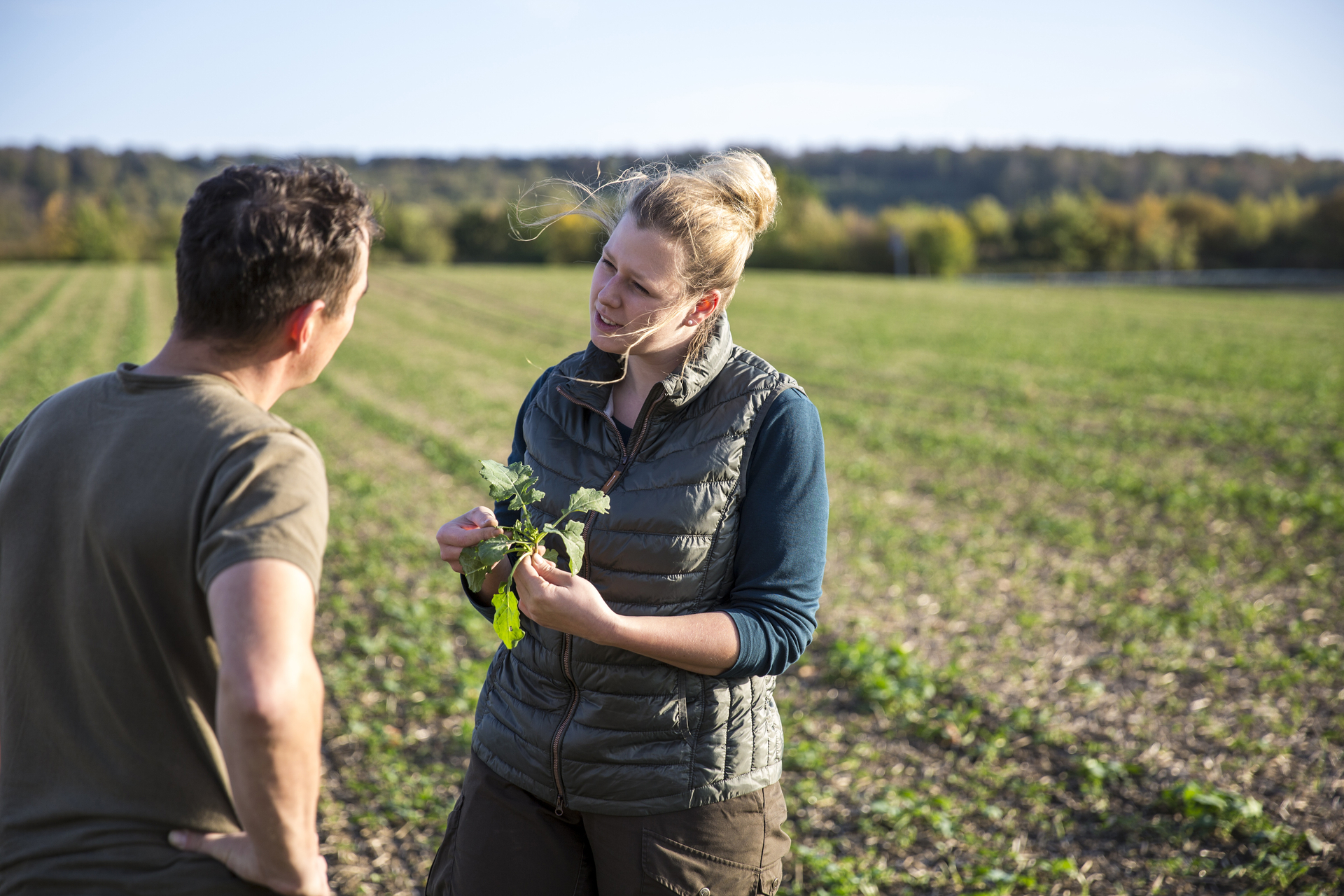

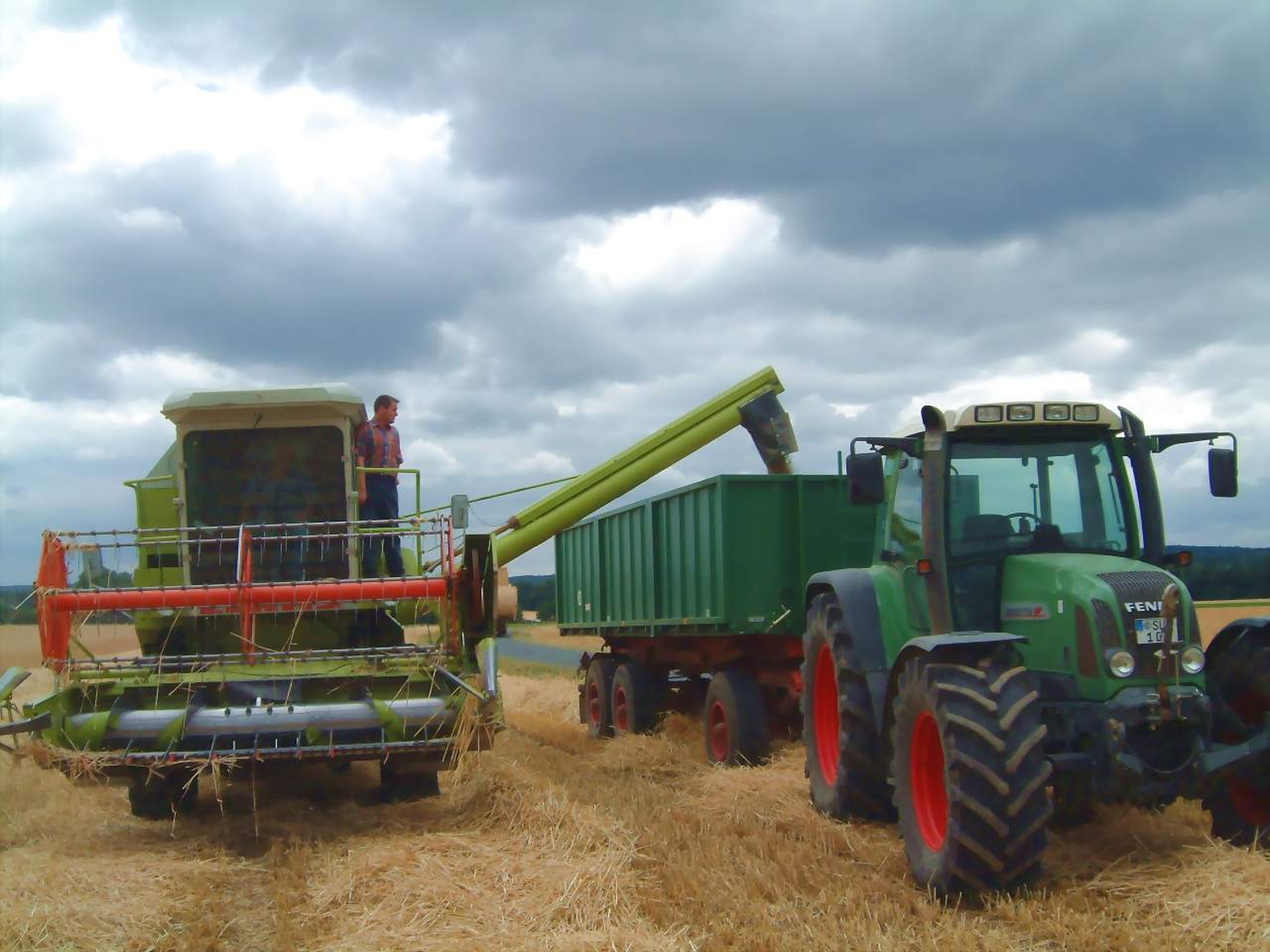
Photos: © iStock, Fotolia, BioSC, Universität Bonn
Circular agronomy (or circular agriculture) is a sustainable farming model that applies circular economy principles - reduce, reuse, replace, and recycle - to biomass production, aiming to close nutrient loops, minimize waste, eliminate reliance on synthetic inputs. It integrates mixed crop-livestock systems, agroforestry, and waste-to-resource techniques (e.g., converting residues into fertilizer), thereby regenerating soil health, reducing CO2 emissions, and enhancing biodiversity. In concrete it allows the use of renewable resources to produce food and feed, materials and energy in the most sustainable and circular way. It creates the ability of agriculture to withstand shocks (like droughts or price spikes) because it is self-sufficient and more resilient. It avoids waste by turning low-value by-products into high-value animal feed or biomaterials.
The reduction of needed fertilizer, pesticides, water and energy in the biomass production e.g. correlates among others with precisions farming, new genotypes of plants, regeneration of soil fertility, closing nutrient cyles etc.
In this Summer School the participants will get insight into the complexity of global and local circular agronomy concepts, exploring scientific, ecological, economic, social, and political chances and challenges on the basis of case studies. The Summer School emphasizes systems thinking, with focus on circularity and sustainability, and collaboration in small groups along real-world examples using a project-based learning approach. Input will be delivered by talks and exchange opportunities with different stakeholders, like scientists, industry representatives and farmers.
11:30 Registration
12:00 Light Lunch
13:00 Welcome and Introduction by Prof. Dr. Ingar Janzik, BioSC
13:30 Short self-introduction pitches of participants
15:30 Coffee break
16:00 Selection of group work themes as Co-Working space
09:00 Session 1
Dr. Loekie Schreefel, Farming Systems Ecology Group, Wageningen University & Research
Dr. Michael Klueken, Bayer AG, Crop Science R&D, Mohnheim
11:00 Coffee break
11:20 Session 2
Dr. Cosimo Brogi, IBG-3: Agrosphere, Forschungszentrum Jülich
Helena Bochmann, IBG-2: Plant Sciences, Forschungszentrum Jülich
12:30 Lunch
13:30 Session 3
Dr. Oluwatosin Abdulsalam, AgriBiome
Dr. Otavio dos Anjos Leal, IBG-3: Agrosphere, Forschungszentrum Jülich
Dr. Silvia Schrey, IBG-2: Plant Sciences, Forschungszentrum Jülich
15:45 Group Work
08:30 Session 4 and 5 with coffee break in between
Dr. Abel Barreto, Sensors and Data Analysis, Institute for Sugar Beet Research, University of Göttingen
Dr. Stefan Meldau, KWS Saat AG
10:20 Coffee break
Dr. Matthias Meier-Grüll, IBG-2: Plant Sciences, Forschungszentrum Jülich
Dr. Laura Junker Frohn, IBG-2: Plant Sciences, Forschungszentrum Jülich
12:00 Lunch
13:00 Excursion to Research Campus Klein-Altendorf (CKA)
CKA is the field site of the Agricultural Faculty of the University of Bonn, located between Rheinbach and Meckenheim. Research at CKA focuses on arable farming, crop production and horticultural trials.
14:30 Session 6 at CKA
Friederike tho Seeth & Mark Loulang, Chair of Renewable Resources, University of Bonn
Dr. Charlotte Huber, IBG-2: Plant Sciences, Forschungszentrum Jülich
Dr. Onno Muller, IBG-2: Plant Sciences, Forschungszentrum Jülich
app. 19:00 Return
09:00 Session 7 and 8 with coffee break in between
Prof. Dr. Lene Lange (Keynote)
Florian Grebe, Niederrhein Institute for Regional and Structural Research, Fachhochschule Niederrhein, Mönchengladbach
10:35 Coffee break
Dr. Felix Frimpong, Crops Research Institute CSIR, Kumasi, Ghana
Dr. Arthur Monhonval, SoilCapital, Perwez, BE
12:30 Lunch
Vanessa Bergerhoff, Digital Transformation and Circular Economy, Institute for Food and Resource Economics, University of Bonn
14:00 Group work
18:30 Networking BBQ
09:00 Final preparation of the Summer School project results by the working groups
10:00 Group picture
10:15 Presentation of working group results
12:30 Summary and closing remarks
Light Farewell Lunch
14:00 Departure
The Summer School addresses mainly PhD-students and advanced Master students from all disciplines related to the topic and is limited to 25 participants. The approval is done on the basis of the motivation letter and the background of the applicants.
Participation is free of charge and includes accommodation and breakfast/lunch/dinner. The accommodation is centrally organized by the BioSC office. We cannot fund travel grants.
Application is open until June 28, 2026.
Application is closed!
Applicants will be notified, whether they can participate, shortly after the registration deadline.
About BioSC
Contact
Imprint
Data protection
© BioSC
BioSC-Geschäftsstelle
c/o Forschungszentrum Jülich
52425 Jülich
biosc@fz-juelich.de